BYRON'S GAMES

  • Start Here
  • Meet Byron
  • Get the Game
  • Video Series
  • Blog
  • Explore More
  • Store
  • Get the App!
  • Join our Community
  • Start Here
  • Meet Byron
  • Get the Game
  • Video Series
  • Blog
  • Explore More
  • Store
  • Get the App!
  • Join our Community

Where In The World Wednesday: Trolltunga, Norway

1/15/2020

1 Comment

 
Picture
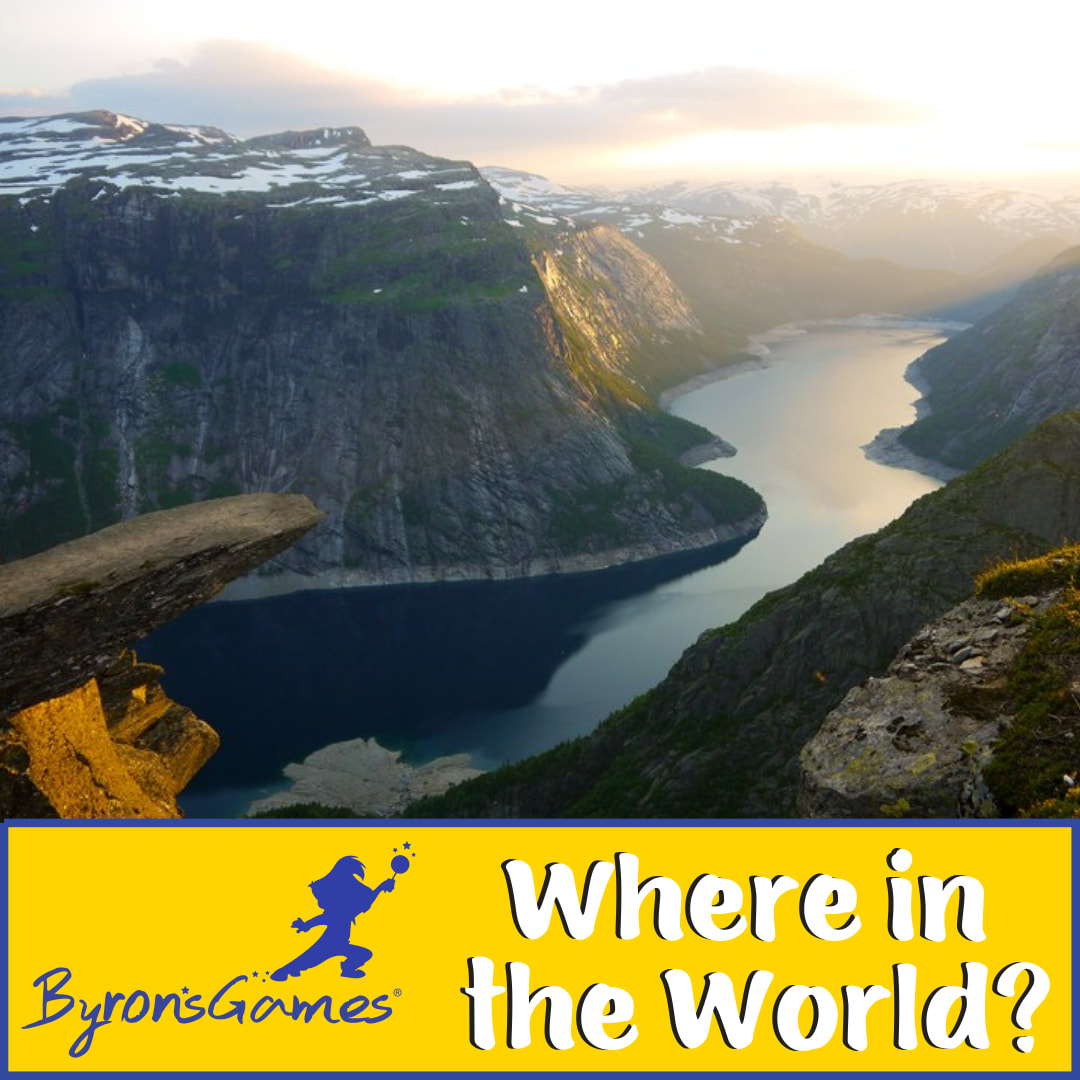
Trolltunga (Troll tongue) is a rock formation situated about 1,100 meters above sea level in the municipality of Odda in Hordaland county, Norway. The cliff juts horizontally out from the mountain, about 700 meters (2,300 ft) above the north side of the lake Ringedalsvatnet.

Popularity of the hike to Trolltunga and rock formation itself has exploded in recent years. The increased popularity has turned Trolltunga into a national icon and a major tourist attraction for the region. Until 2010, fewer than 800 people hiked to Trolltunga each year. In 2016 more than 80,000 people hiked the 27 kilometers round-trip from Skjeggedal, making it one of Norway's most popular hikes
1 Comment

Flag Fact Friday: Cape Verde

1/10/2020

1 Comment

 
Picture
The national flag of Cape Verde (Portuguese: bandeira de Cabo Verde) was adopted on 22 September 1992, replacing the flag adopted during Cape Verdean independence, fought for with Guinea-Bissau, another former Portuguese colony on mainland West Africa.

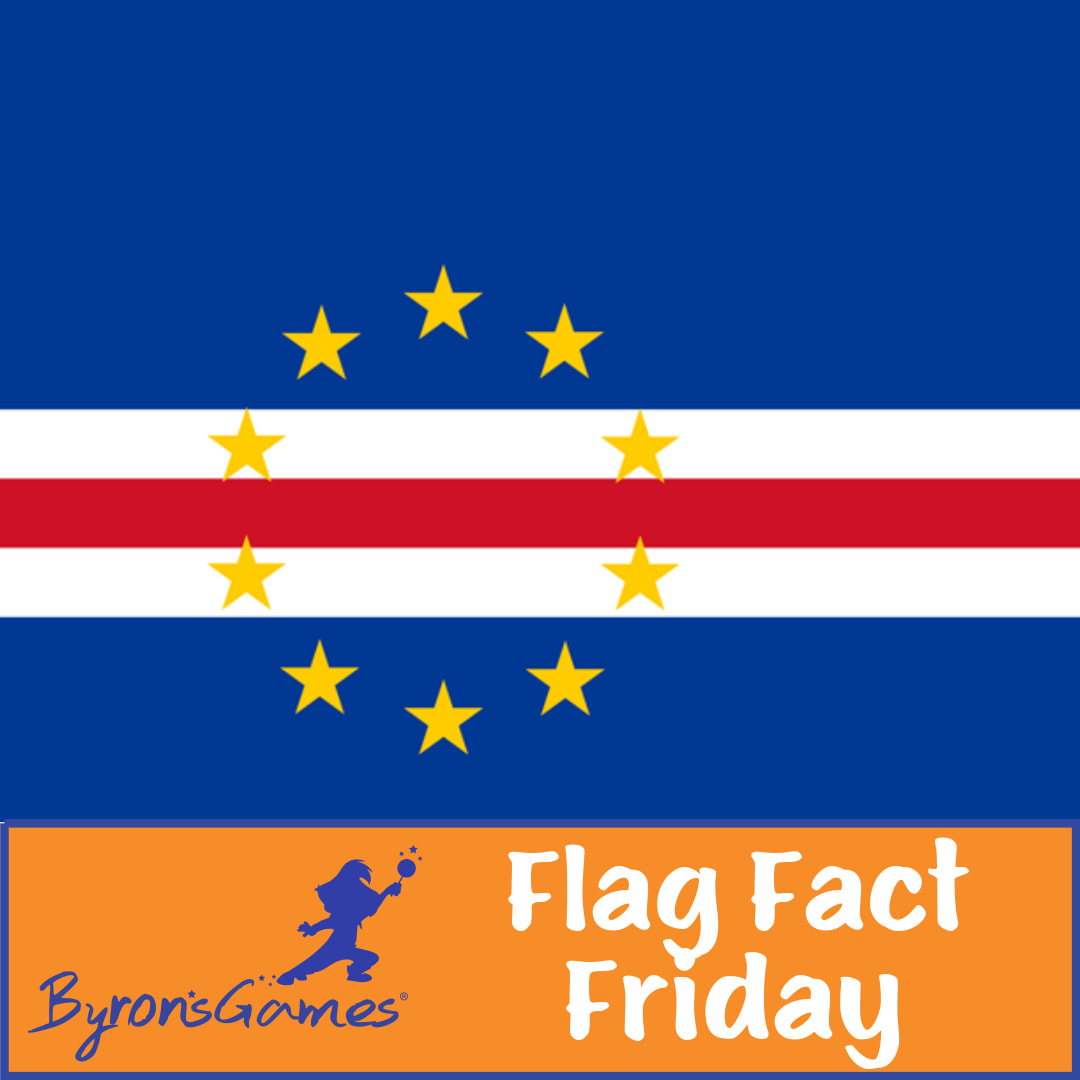
The National Flag of the Republic of Cabo Verde has five unequal horizontal bands of blue, white, and red, with a circle of ten yellow five-pointed stars. The topmost blue stripe is half the width of the flag.


The 10 stars on the flag represent the main islands of the nation (a chain of islands off the coast of West Africa). The blue represents the ocean and the sky. The band of white and red represents the road toward the construction of the nation, and its colors stand for peace (white) and effort (red). The circle of yellow stars on a dark blue field is similar to the flag of Europe (which has 12 stars instead of 10).
1 Comment

Where In The World Wednesday: Pamukkale, Turkey

1/8/2020

2 Comments

 
Picture
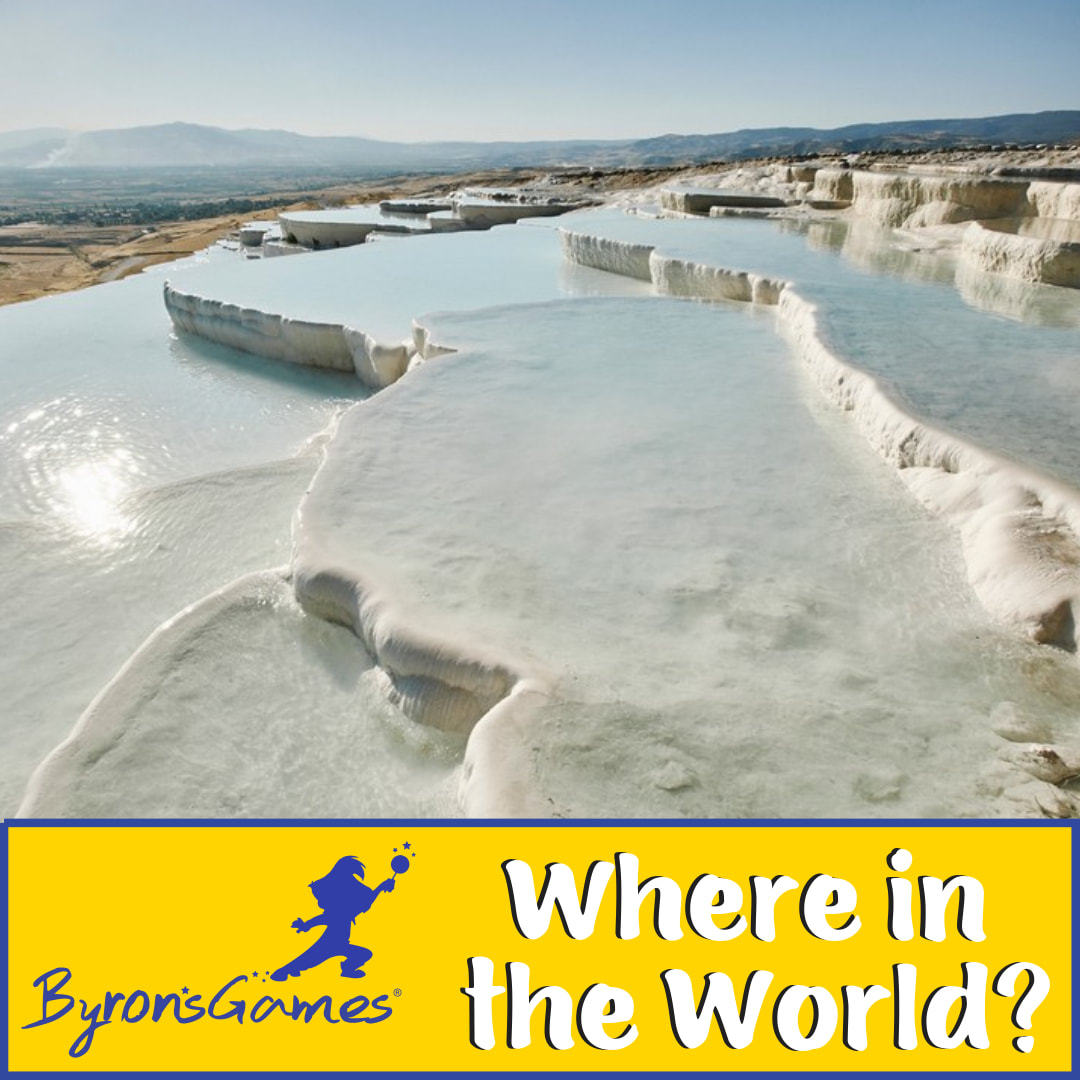
​Pamukkale, meaning "cotton castle" in Turkish, is a natural site in Denizli in southwestern Turkey. The area is famous for a carbonate mineral left by the flowing water.[1] It is located in Turkey's Inner Aegean region, in the River Menderes valley, which has a temperate climate for most of the year.

The ancient Greco-Roman city of Hierapolis was built on top of the white "castle" which is in total about 2,700 meters (8,860 ft) long, 600 m (1,970 ft) wide and 160 m (525 ft) high. It can be seen from the hills on the opposite side of the valley in the town of Denizli, 20 km away.

Known as Pamukkale (Cotton Castle) or ancient Hierapolis (Holy City), this area has been drawing the weary to its thermal springs since the time of Classical antiquity.[1] The Turkish name refers to the surface of the shimmering, snow-white limestone, shaped over millennia by calcium-rich springs. Dripping slowly down the vast mountainside, mineral-rich waters foam and collect in terraces, spilling over cascades of stalactites into milky pools below. Legend has it that the formations are solidified cotton (the area's principal crop) that giants left out to dry.
2 Comments

Flag Fact Friday: Belize

1/3/2020

1 Comment

 
Picture
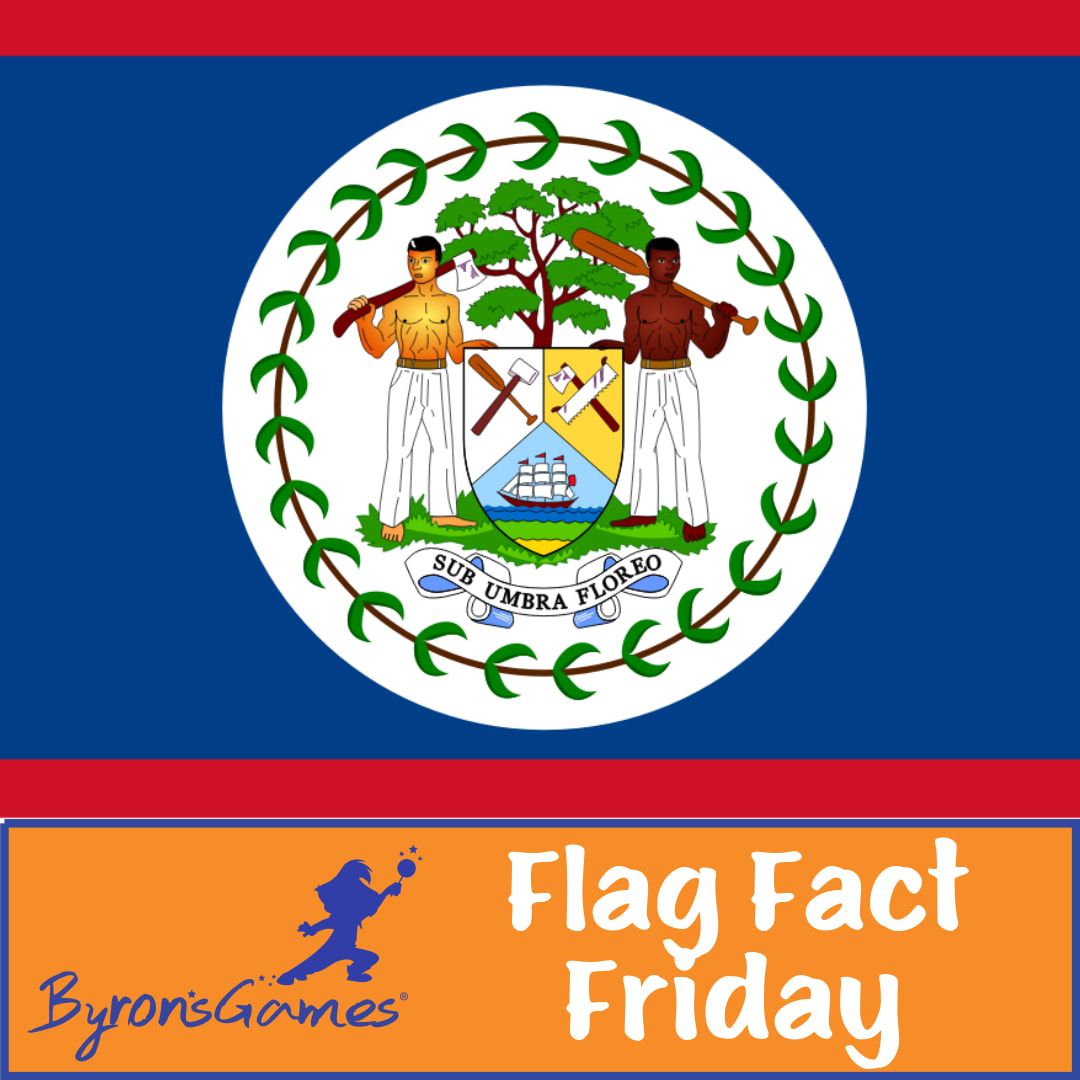
The flag of Belize was adopted on 21 September 1981, the day Belize became independent. It consists of the Coat of Arms on a blue field with red stripes at the top and bottom.

British Honduras obtained a coat of arms on 28 January 1907, which formed the basis of the badge used on British ensigns. The coat of arms recalls the logging industry that first led to British settlement there. The figures, tools, and mahogany tree represent this industry. The national motto, Sub Umbra Floreo, meaning "Under the Shade I Flourish", is written in the lower part of the coat of arms.
The colors on the flag are respectively those of the country's national parties, the People's United Party (PUP) and United Democratic Party (Belize) (UDP). The UDP, established in 1973, had objected to the original blue and white design, those two colors being the PUP's representative colors.

The two red stripes at the top and bottom were added to the original design at independence. The coat of arms was granted in 1907. Red stripes were added to denote the color of the opposition party. The 50 leaves recall 1950, the year PUP came to power.


1 Comment

Flag Fact Friday: Iceland

12/27/2019

1 Comment

 
Picture
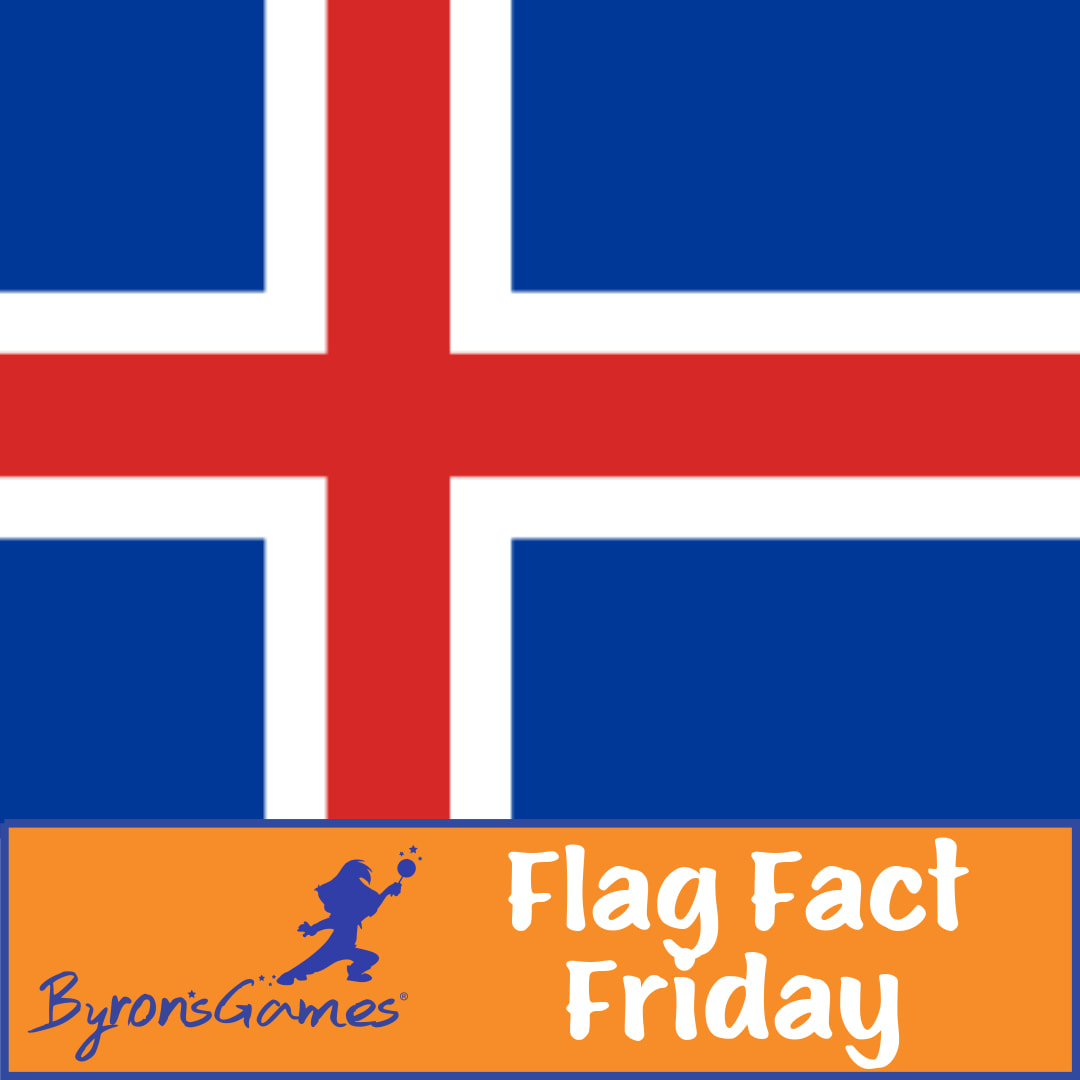
The flag of Iceland followed the example of the other Scandinavian countries and consists of a blue background bearing a red cross, which is embedded in the traditional white Scandinavian cross. The blue color is supposed to represent the Atlantic Ocean, the red lava and Icelandic volcanoes, and the white stands for other Icelandic natural landmarks - glaciers and geysers. The red cross also points to the historical ties with Denmark, that dominated Iceland since the 14th century. Iceland adopted the flag in 1918 when it won the statute of the autonomous territory of Denmark. However, the flag did not become the official national flag until 1944, when Iceland became fully independent.
1 Comment

Flag Fact Friday: Gabon

12/20/2019

1 Comment

 
Picture
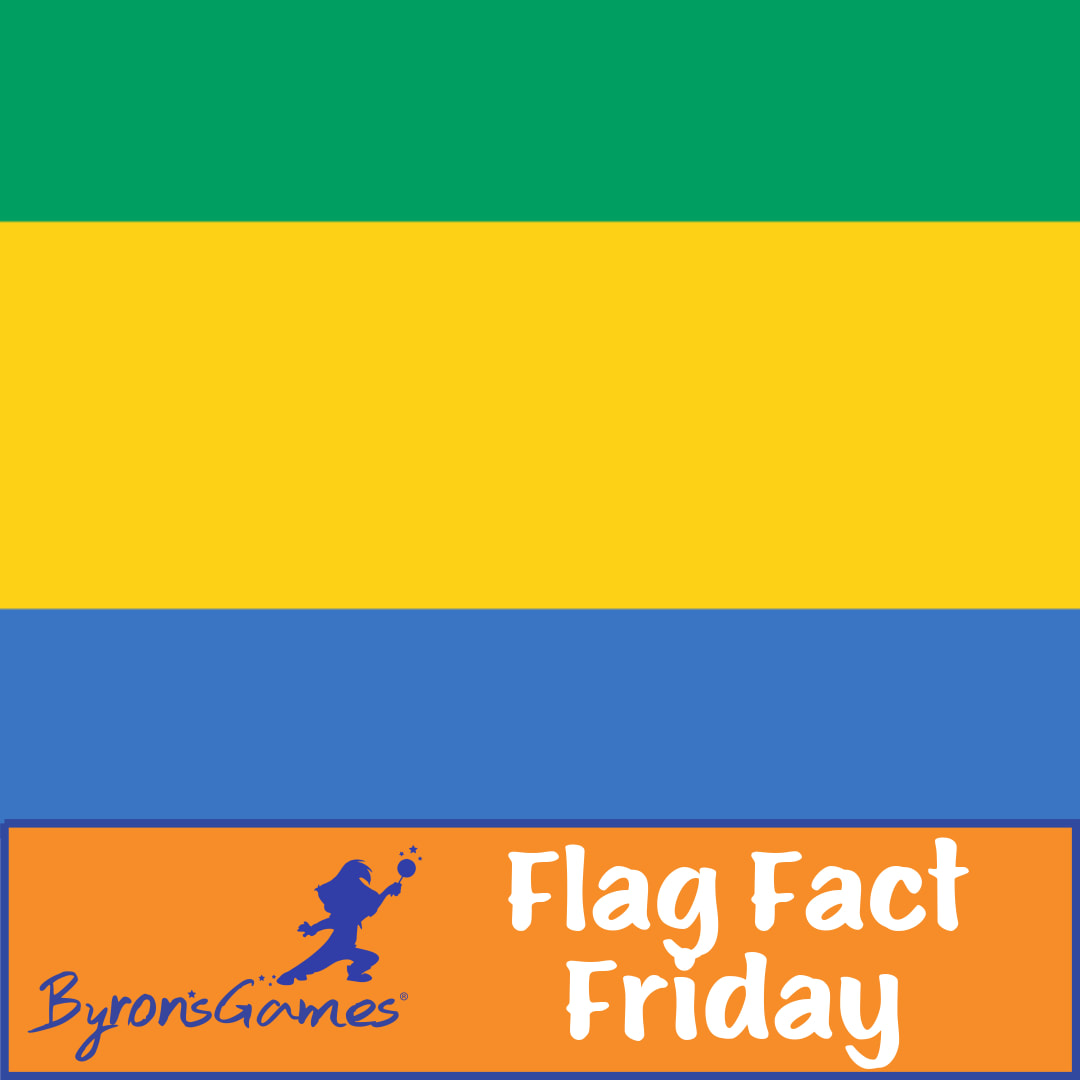
The current flag of Gabon was adopted in 1960 when the country declared independence from France, and it is composed of three horizontal stripes from the top in green, yellow and blue colors. The flag should express solidarity with other independent African states - the first two bands were taken from the flag of Ethiopia, but also refer to former ties to France as Gabon´s colonizer (blue bar). Green stripe symbolizes the Gabonese forest and timber industry, yellow stripe stands for the local sharp sun and the zero parallel, which passes through the country. Blue bar represents the Atlantic Ocean, which washes the western shores of the country, as well as all waters of the country, especially the river Ogooué.
1 Comment

Where In The World Wednesday: Disko Bay

12/18/2019

1 Comment

 
Picture
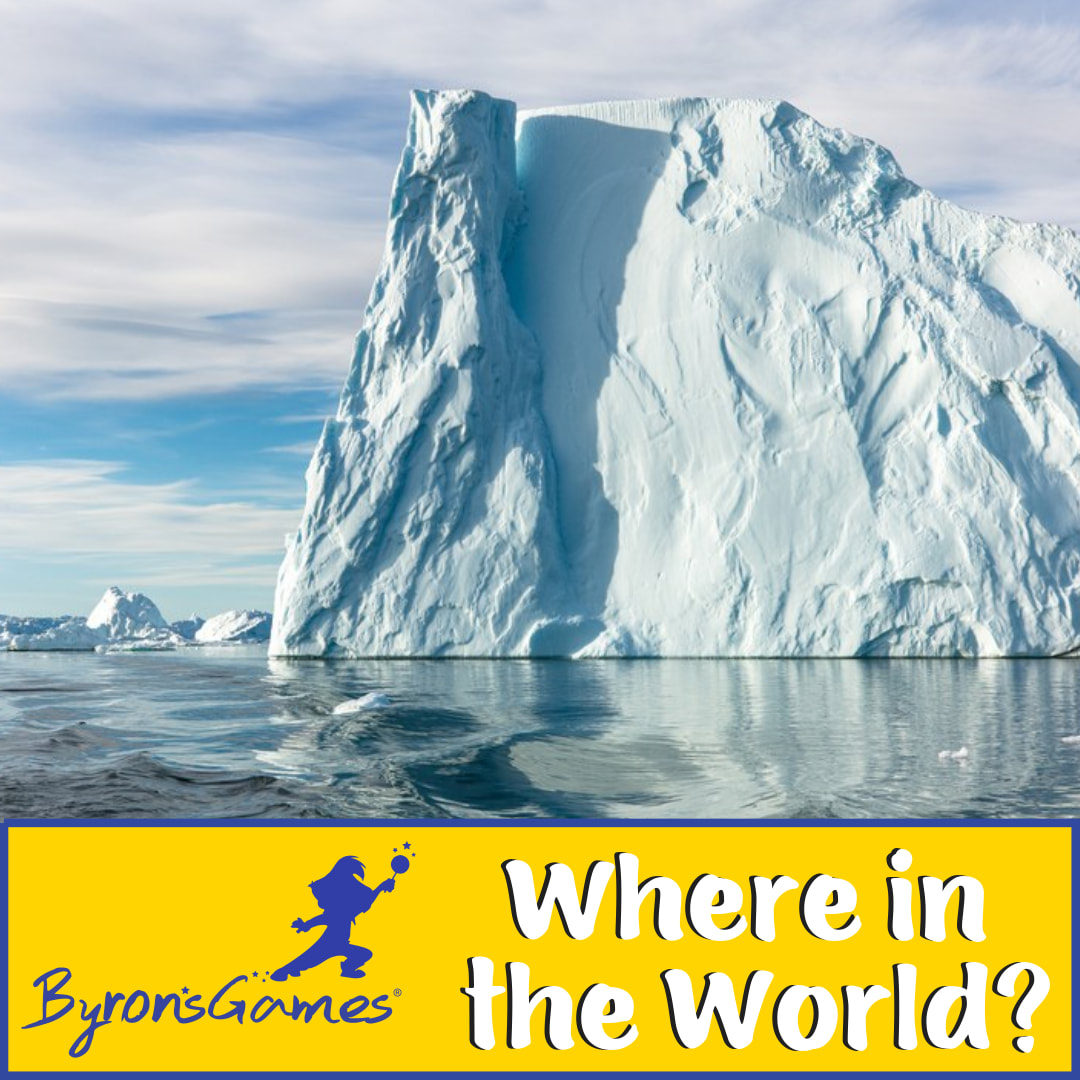
Disko Bay has been an important location for centuries. Its coastline was first encountered by Europeans when Erik the Red started a settlement in 985 AD on the more habitable western coast of Greenland. The two settlements, called the Eastern and Western settlements, were sustenance economies that survived on animal husbandry and farming. Soon after the Western settlement was established, the Norsemen traveled up the coast during the summer thaw and discovered Disko Bay.

Their interest in this bay was due to its rich resources: walruses for ivory, seals for their pelts, and whales for a variety of materials. These products became the main source of income for the Greenlandic settlers who traded with Iceland, the British Isles, and mainland Europe. Without these resources the settlements would probably not have lasted as long as they did.

It is uncertain when the Inuit first started venturing into Disko Bay, but the Saqqaq were present there between 2400–900 BC.
1 Comment

Flag Fact Friday: East Timor

12/13/2019

3 Comments

 
Picture
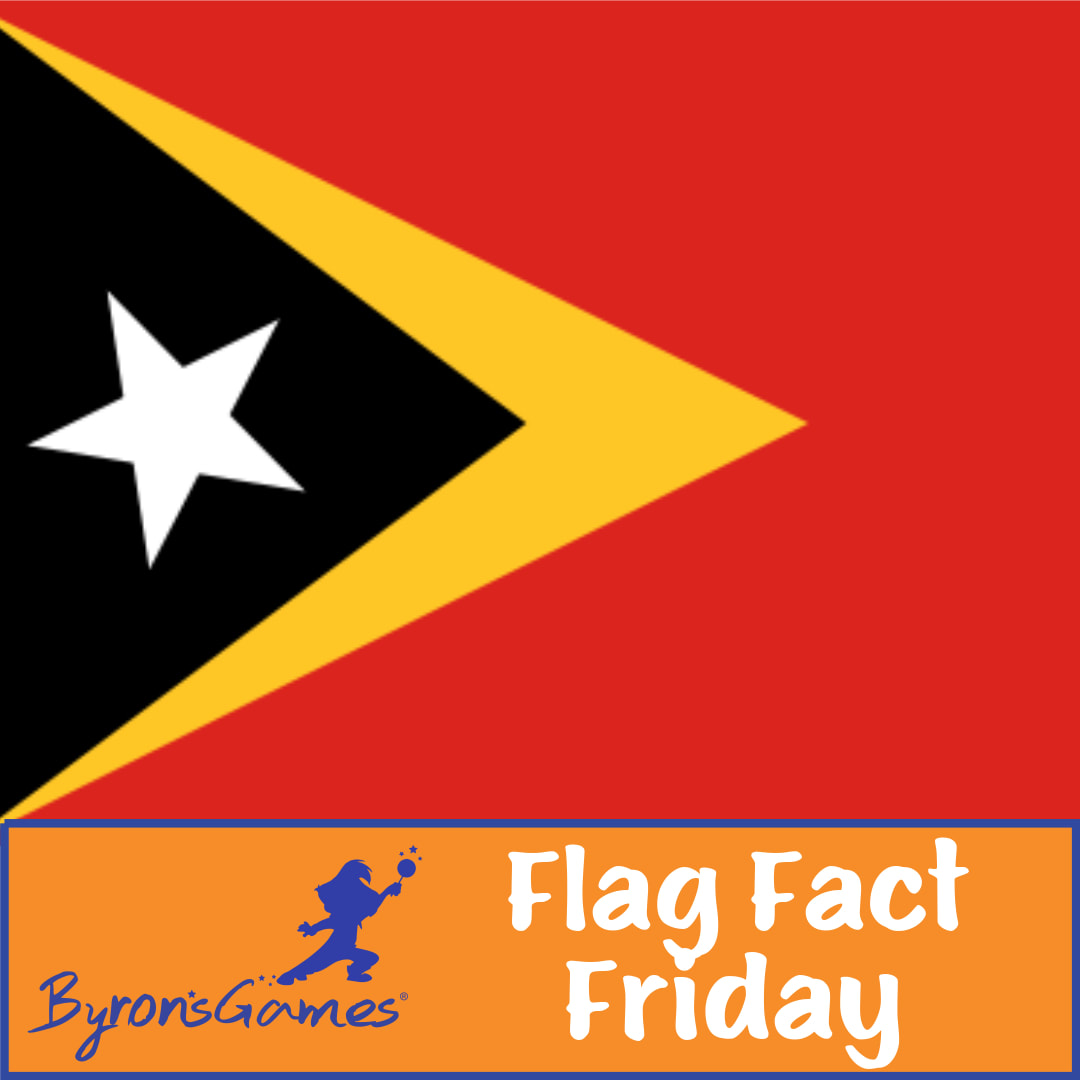
The flag of East Timor is one of the youngest flags since it has been adopted in May 2002. It is composed of a red leaf with two triangles on the left side - an elongated yellow one and a narrower black one. Moreover, a white five-pointed star is located in the black triangle. The flag dates back to 1975 when the island was liberated from the Portuguese domination. In the same year, however, the island was invaded by Indonesia and East Timor has not regained the independence until 2002. The flag has been inspired by a flag of revolutionary party Fretilin, where red indicates sacrifices made during the revolution. The black color reminds the people of their colonial past and the yellow triangle symbolizes hope for better tomorrows. Traditionally, the white color of the star symbolizes peace and freedom.
3 Comments

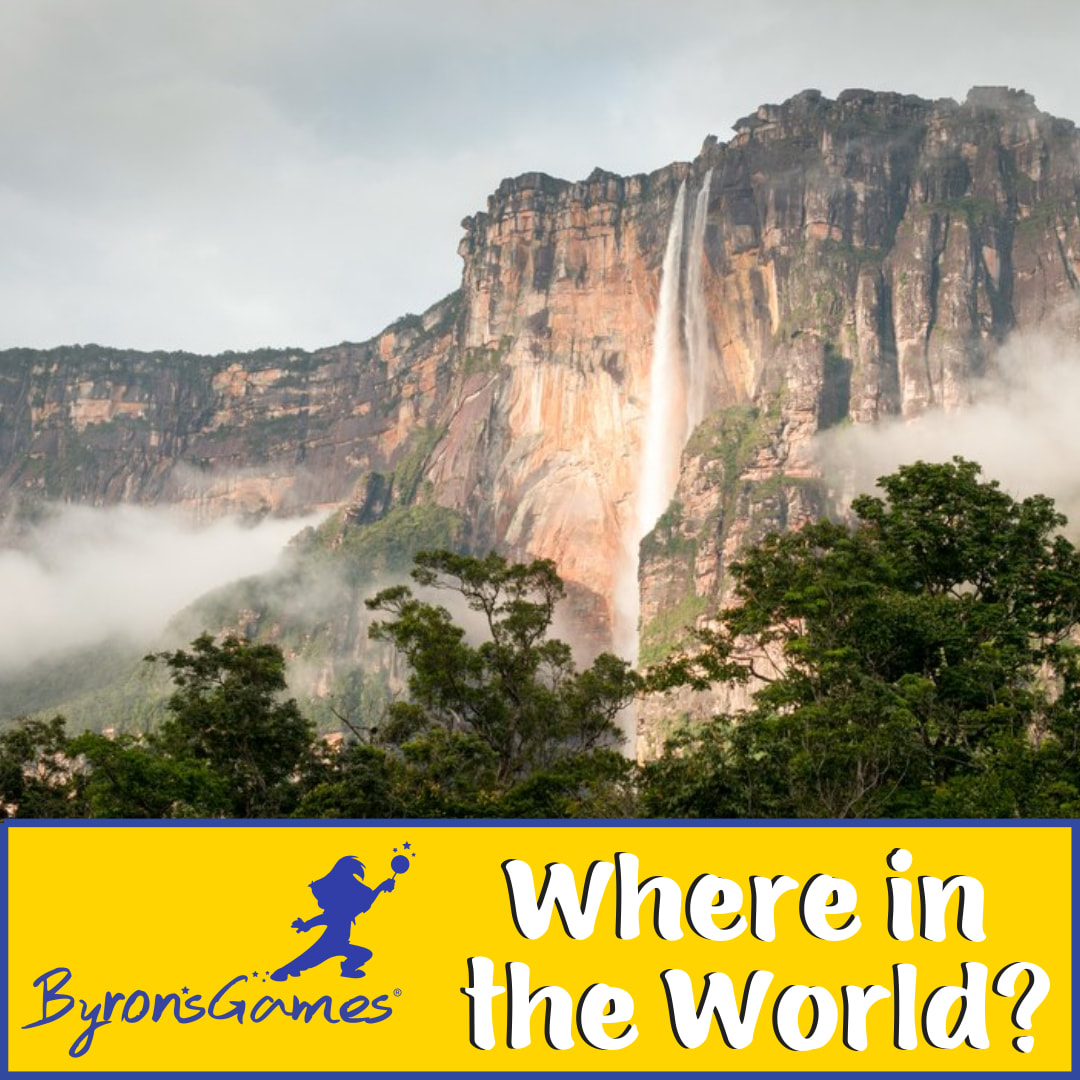
Where in the World Wednesday: Angel Falls, Venezuela

12/11/2019

1 Comment

 
Picture
Venezuela overflows with natural wonders, including the world's highest waterfall—the 3,212-foot cascades of Angel Falls, located in the UNESCO-protected Canaima National Park. Canaima is by far the country's most popular attraction, and the falls stretch an astounding 19 times higher than Niagara Falls. Bonus: Pixar animators used the location as inspiration for Paradise Falls in Up.

The waterfall has been known as the Angel Falls since the mid-20th century; they are named after Jimmie Angel, a US aviator, who was the first person to fly over the falls.
1 Comment

Flag Fact Friday:

12/6/2019

1 Comment

 
Picture
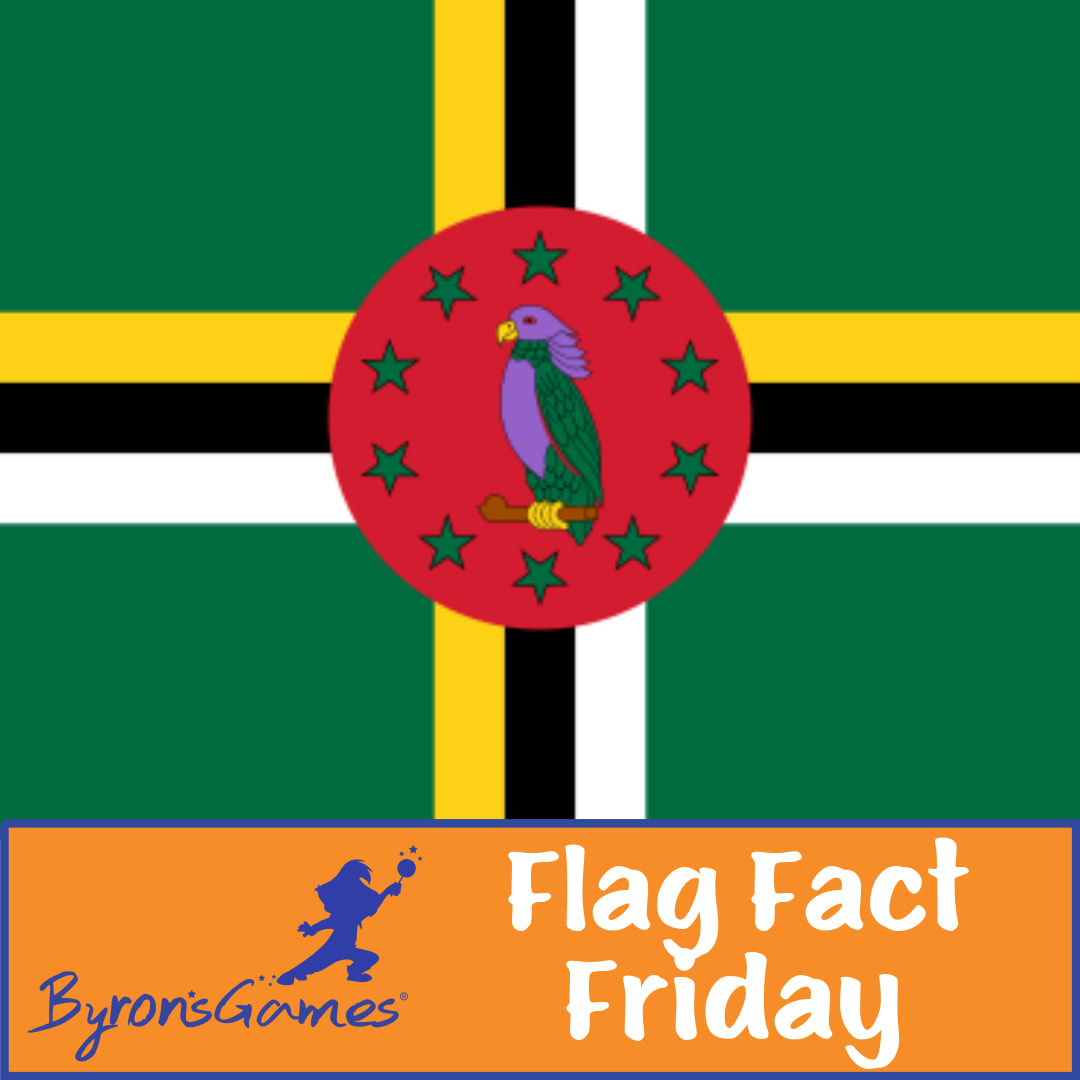
The flag of Dominica was adopted on 3 November 1978, with some small changes having been made in 1981, 1988, and 1990. The original flag was designed by playwright Alwin Bully in early 1978 as the country prepared for independence. 


The flag features the national bird emblem, the sisserou parrot, which also appears on the coat of arms granted on 21 July 1961. This parrot, endemic to Dominica, is an endangered species with a population of only 250–350 individuals.[2]


The green field represents the lush vegetation of the island. The cross represents the Trinity and Christianity, with its three colors symbolizing the natives, the fertile soil, and the pure water. The 10 green five-pointed stars stand for the country's 10 parishes: (St Andrew, St David, St George, St John, St Joseph, St Luke, St Mark, St Patrick, St Paul, and St Peter), while the red disc stands for justice.


The sisserou parrot is sometimes colored either blue or purple (the parrot's actual color). The use of purple makes the flag of Dominica one of only two flags of sovereign states (alongside the flag of Nicaragua) to contain the color.
1 Comment
<<Previous
Forward>>

    Categories

    All
    Events
    Family
    Flag Facts
    Golf
    Hero Highlight
    Math
    Music
    Virtual Learning
    Where In The World
    World Geography

Start Here
Meet Byron
Get the Game
Have Fun
Explore More
Store
Get the App!

Copyright © 2025 - Byron's Games